WPC (Wood Plastic Composite) has increasingly dominated the building materials market in recent years, particularly in outdoor Decking, Cladding, and Fencing. Simply put, it is an innovative material extruded from a precise blend of wood flour (or wood fibers) and thermoplastics.
Its rapid replacement of traditional pressure-treated wood is primarily driven by the following core advantages, which perfectly resolve the major pain points of traditional building materials:
1. Ultimate Waterproof and Moisture-Resistant Performance
The most fatal flaw of traditional solid wood in outdoor environments is its tendency to absorb water, swell, mold, and rot. Because the internal wood fibers of WPC are completely encapsulated by plastic polymers, moisture channels are virtually cut off.
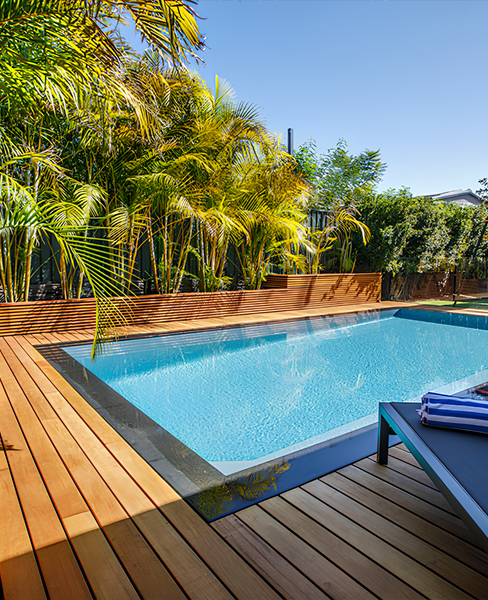
In Practice: Even when exposed to rainy or highly humid environments year-round (such as pool decks or coastal boardwalks), it will not rot, warp, or splinter.
2. Near-Zero Maintenance Costs
For end-users and contractors alike, time is money. Traditional wood requires annual sanding, staining, and sealing to maintain its protective properties and aesthetic appeal.
In Practice: WPC is essentially "maintenance-free." It requires no painting or staining; routine cleaning only needs a quick wash with a pressure washer or soapy water. In the long run, this saves clients massive amounts of labor and ongoing maintenance expenses.
3. Outstanding Insect and Termite Resistance
Wood is a natural breeding ground for termites and borers. Once the wood is compromised by pests, the structural integrity is destroyed, posing serious safety risks.
In Practice: The plastic components in WPC make it completely unappealing to insects. This physical barrier against pests extends its lifespan far beyond regular wood, typically lasting 15 to 25 years or more.
4. Eco-Friendly and Sustainable
With today's strong global focus on ESG (Environmental, Social, and Governance) and green building initiatives, WPC stands out as the perfect eco-friendly material.
In Practice: Its raw materials mostly come from recycled plastics (like discarded pipes and plastic bags) and reclaimed wood fibers. No toxic preservatives (such as the arsenic and chromium found in treated wood) are added during production. This not only reduces deforestation but also promotes the circular economy of waste materials.
5. High Aesthetic Appeal: Solid Wood Texture with Rich Colors
Early generations of plastic wood might have looked a bit artificial, but modern Co-extrusion technology can create incredibly realistic, 3D wood grain textures.
In Practice: Customers can enjoy the warm touch and premium visual effect of natural wood while benefiting from high color consistency (no mismatched shades). It also boasts excellent UV resistance, meaning it won't easily fade even under constant sunlight exposure.
6. Easy Installation and Lower Labor Costs
WPC boards typically utilize a standardized Hidden Fastener system.
In Practice: No screws are visible on the surface, ensuring a clean look and eliminating the risk of stepping on sharp screw heads barefoot. Furthermore, the standardized accessories significantly speed up the installation process, lowering overall labor and construction costs.




 English
 Español
 بالعربية