Leave A Message
If you are interested in our products and want to know more details,please leave a message here,we will reply you as soon as we can.


The construction industry is at a turning point. For decades, builders, architects, and developers have been forced to choose between the natural beauty of traditional wood and the durability of synthetic plastics. Wood looks great but rots, warps, and requires constant maintenance. Plastic is tough and weatherproof, but it often looks cheap and lacks the premium feel that modern projects demand.
Today, there is a material that bridges this gap perfectly: Wood Plastic Composite (WPC).
By blending wood fibers with high-density plastics, WPC is rapidly changing how we think about building materials. Here is a clear, straightforward breakdown of why WPC is quickly becoming the go-to choice for commercial and residential construction worldwide.
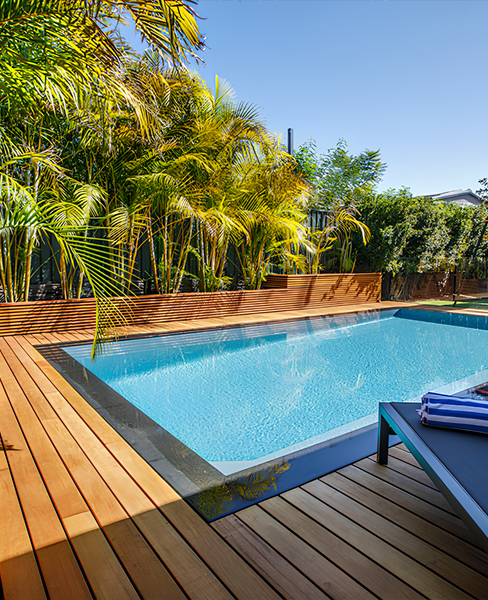
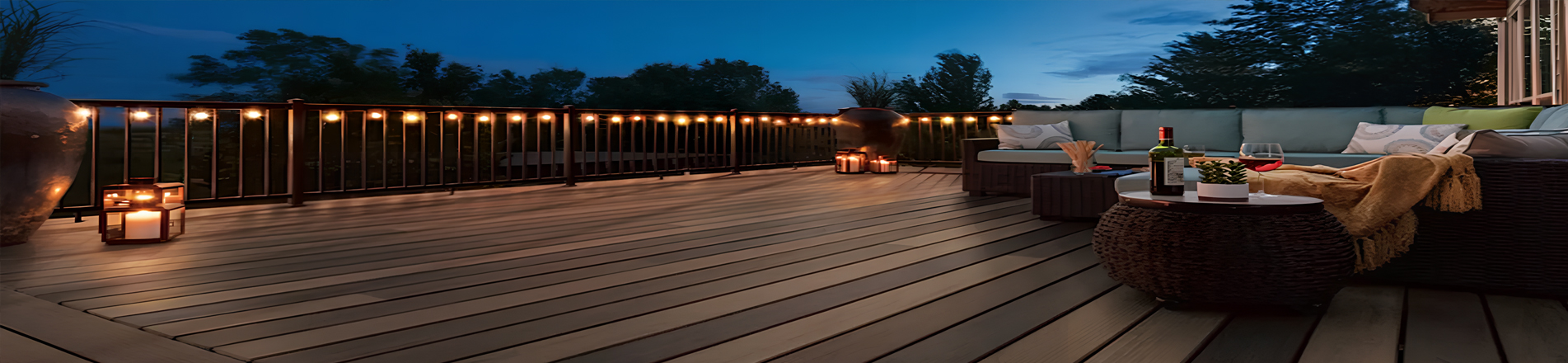
One of the main reasons traditional timber is still used is its aesthetic appeal. WPC captures that exact look and feel. Advanced manufacturing techniques allow WPC to replicate the natural grain, texture, and warmth of real wood. Whether it is used for outdoor decking, wall cladding, or interior doors, it delivers a high-end visual finish that elevates the design of any space. The difference? You get the premium look without worrying about the material degrading over time.
When you are managing a construction project, you need materials that are going to last. WPC is engineered to survive conditions that would easily destroy natural wood:
100% Waterproof: WPC does not absorb moisture, meaning it will never swell, rot, or grow mold.
Pest Resistant: Termites and other wood-boring insects have no interest in composite materials, saving property owners from catastrophic structural damage.
Weatherproof: From blistering summers to freezing winters, WPC maintains its structural integrity without cracking or splintering.
For property developers and end-users, the true cost of a building material is not just what you pay upfront—it is what you pay to maintain it over the next ten or twenty years.
Real wood requires a relentless cycle of sanding, staining, sealing, and painting. WPC requires almost zero maintenance. It does not need to be painted or sealed, and it cleans up easily with just soap and water. Over the lifespan of a building, the money and time saved on maintenance make WPC an incredibly cost-effective investment.
Sustainability is no longer just a buzzword; it is a strict requirement for many modern construction projects. WPC is a highly environmentally friendly material. It is typically manufactured using recycled plastics and reclaimed wood fibers (like sawdust) that would otherwise end up in a landfill. Furthermore, because WPC lasts significantly longer than traditional wood, it reduces the need for frequent replacements, cutting down on overall material waste.
Modern construction demands materials that work harder, last longer, and look better. WPC delivers on all three fronts. It takes the physical weaknesses of natural wood and engineers them completely out of the equation, leaving behind a highly durable, beautiful, and sustainable building product.
For developers, architects, and contractors looking to future-proof their projects and deliver maximum value to their clients, Wood Plastic Composite isn't just an alternative material—it is the standard of the future.


 English
 Español
 بالعربية