Leave A Message
If you are interested in our products and want to know more details,please leave a message here,we will reply you as soon as we can.


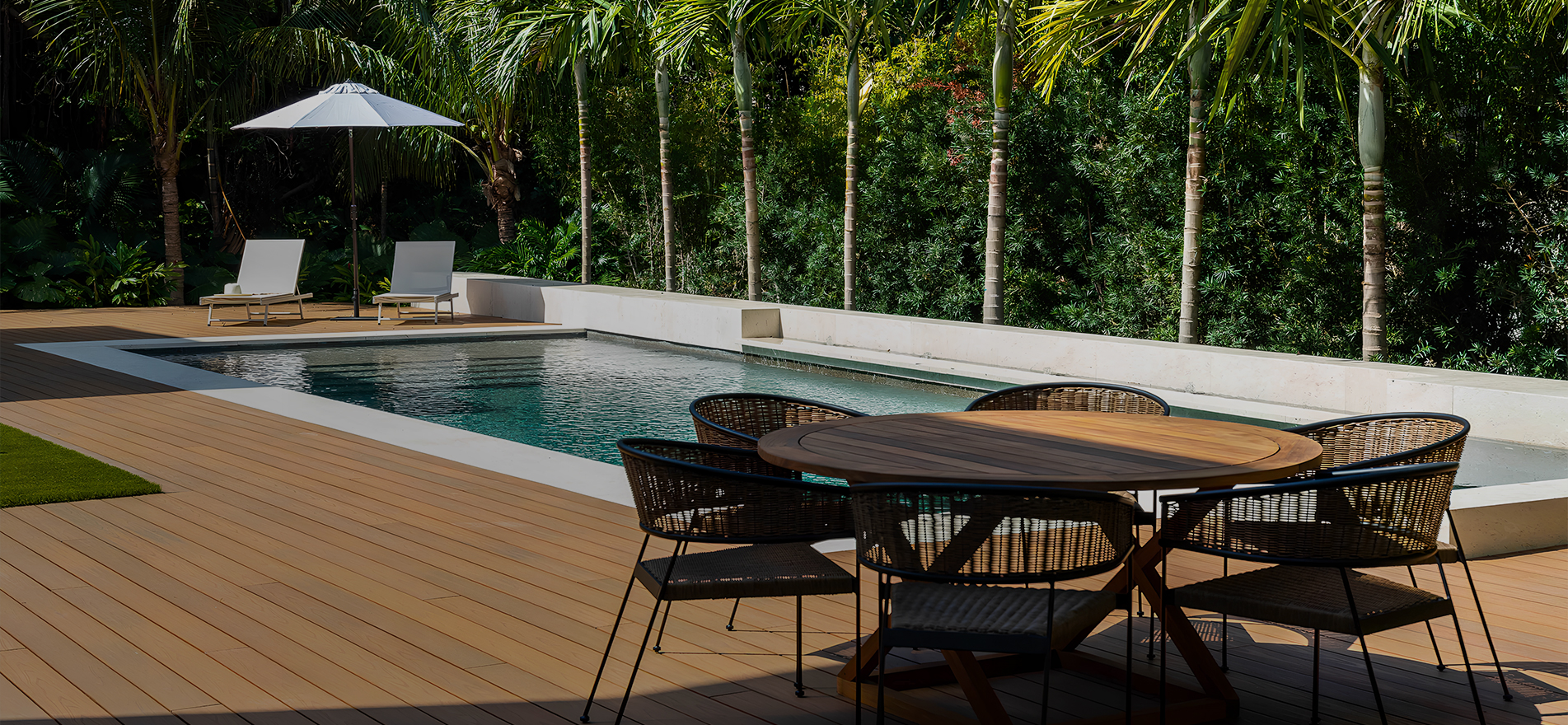


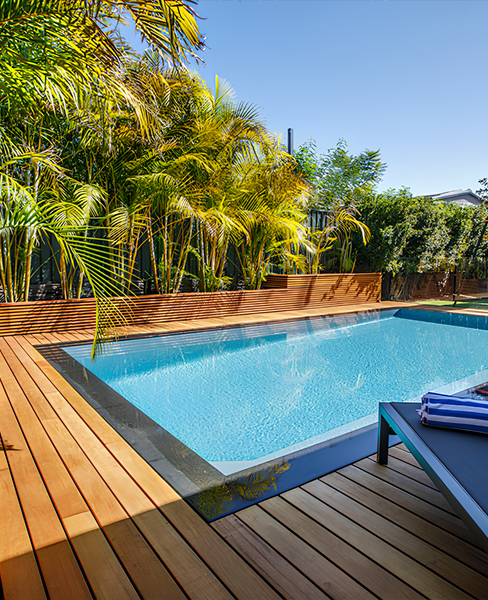
TL WPC first-generation (conventional) decking continues to be a highly popular and practical choice for modern outdoor landscaping projects.
It offers a fantastic balance of timeless appeal and long-term value, especially for large-scale installations like public walkways, residential yards, and garden decks.
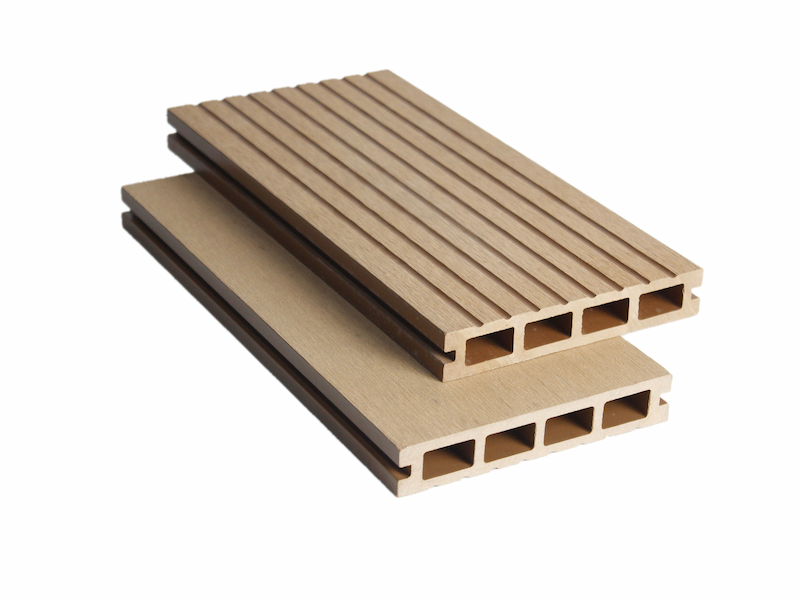
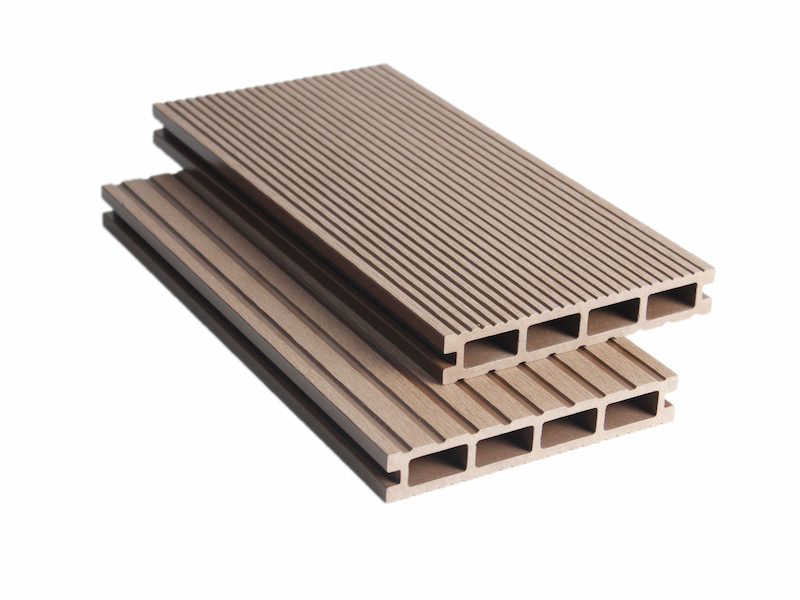
TL WPC first-generation classic decking continues to be a highly popular and practical choice for modern outdoor landscaping projects.
It offers a fantastic balance of timeless appeal and long-term value, especially for large-scale installations like public walkways, residential yards, and garden decks.
Certificates: FSC, CE, ISO 9001:2019, SGS, ISO14001,EPD™
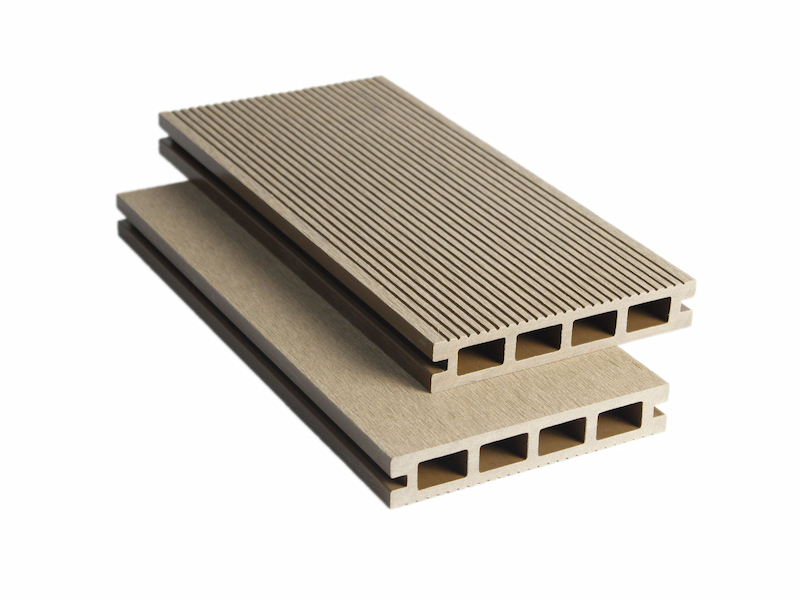
TL WPC conventional decking represents a fantastic sweet spot in modern building materials, blending the organic look of natural timber with the heavy-duty resilience of engineered synthetics.
Certificates: FSC, CE, ISO 9001:2019, SGS, ISO14001,EPD™
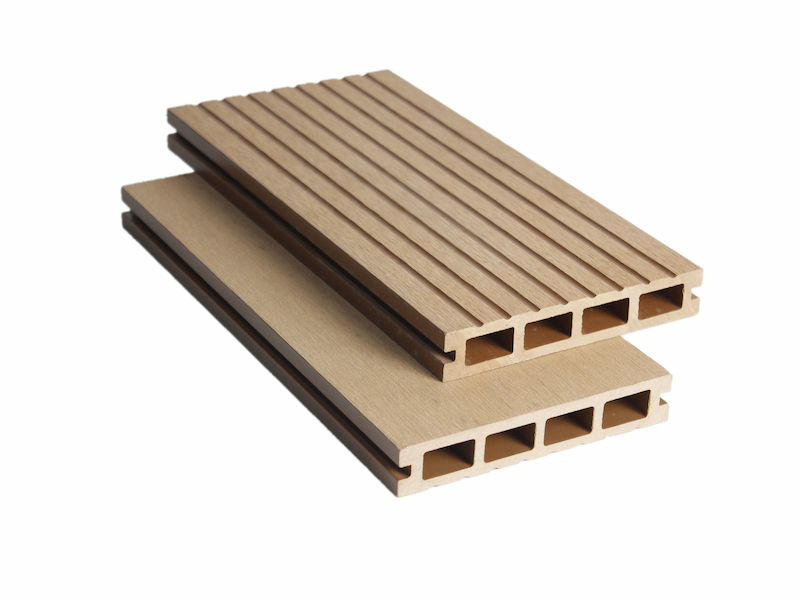
TL WPC 1st generation decking blends wood fibers with dense thermoplastic polymers (like HDPE or PVC), it has a high surface density and a micro-structural "honeycomb" matrix that absorbs and blocks sound waves much better than standard plastic or thin wood.
Certificates: FSC, CE, ISO 9001:2019, SGS, ISO14001,EPD™
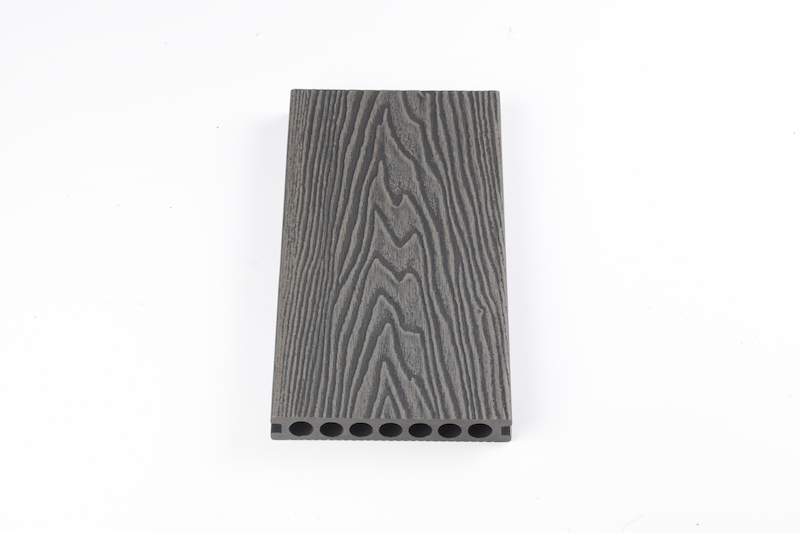
TL 3D embossed WPC is highly resistant to warping, splitting, and cracking caused by extreme temperature fluctuations.
Certificates: FSC, CE, ISO 9001:2019, SGS, ISO14001,EPD™
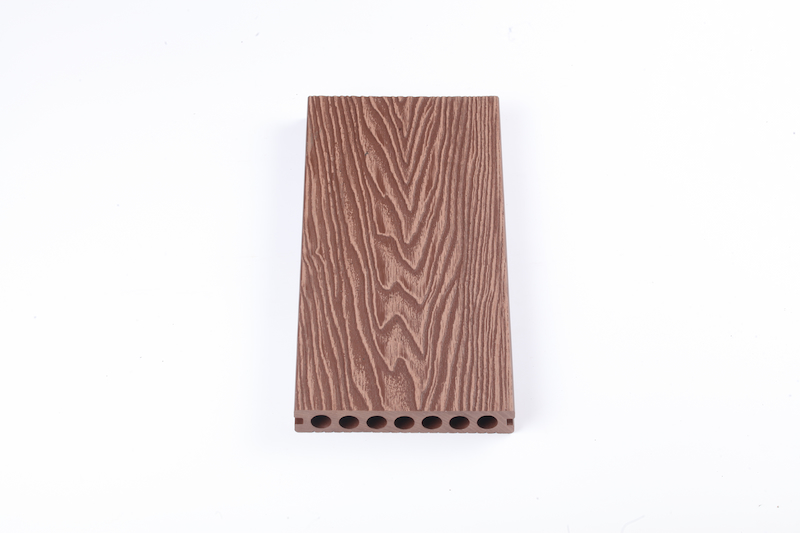
For demanding outdoor environments—ranging from exposed residential facades to commercial project marketing applications—TL WPC delivers industry-leading durability.
Certificates: FSC, CE, ISO 9001:2019, SGS, ISO14001,EPD™
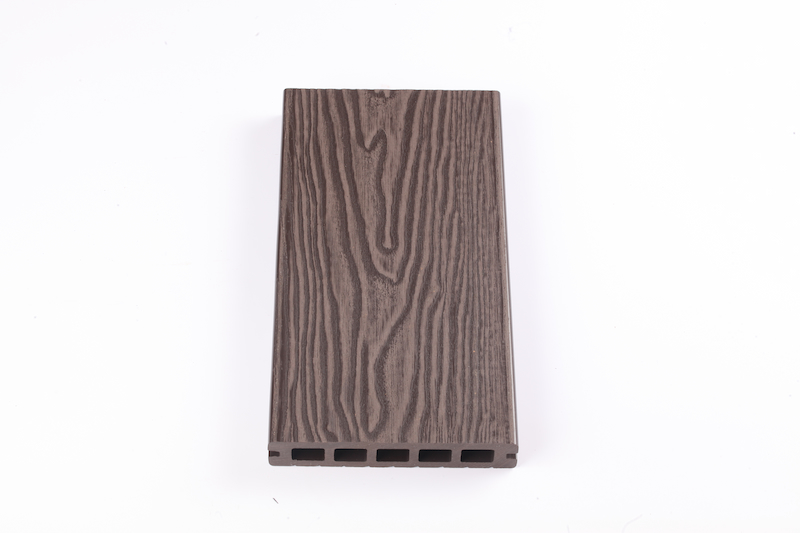
TL 3D embossed WPC is narrow-spaced anti-slip grooves for a low-slip walking surface.
Hollow-core honeycomb design, Lightweight and solid.
Certificates: FSC, CE, ISO 9001:2019, SGS, ISO14001,EPD™
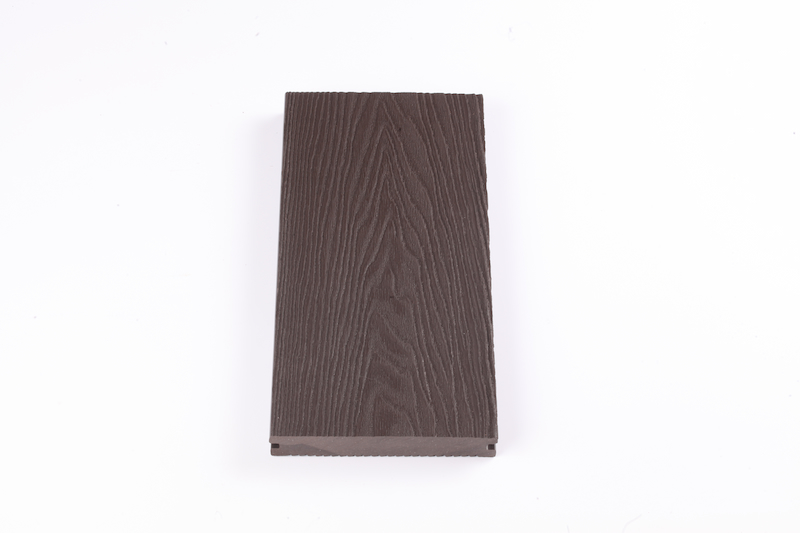
TL WPC features an advanced 3D deep-embossed texturing process.
This proprietary technology presses a multi-dimensional grain deeply into the material, perfectly replicating the organic warmth, rich variations, and authentic tactile feel of premium natural timber.
Certificates: FSC, CE, ISO 9001:2019, SGS, ISO14001,EPD™
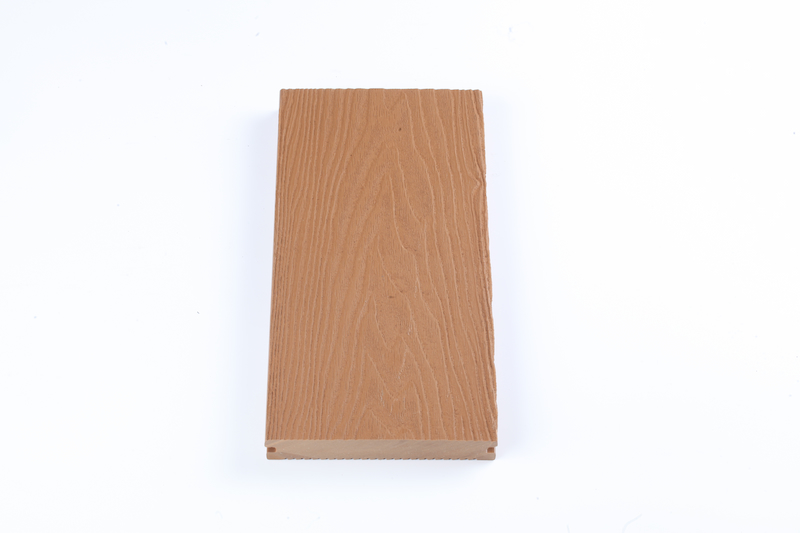
Choosing TL WPC for your decking, wall cladding, and fencing projects means opting for a premium architectural material that perfectly bridges structural engineering with luxury design.
Certificates: FSC, CE, ISO 9001:2019, SGS, ISO14001,EPD™
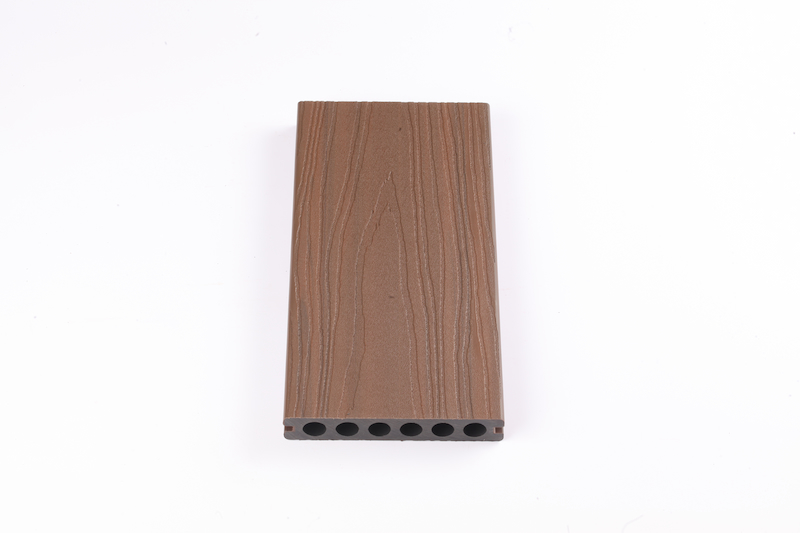
TL-WPC Co-Extrusion Decking provides a smooth yet high-traction, slip-resistant surface, making it incredibly safe for children, pets, and walking barefoot around outdoor living spaces.
Certificates: FSC, CE, ISO 9001:2019, SGS, ISO14001,EPD™
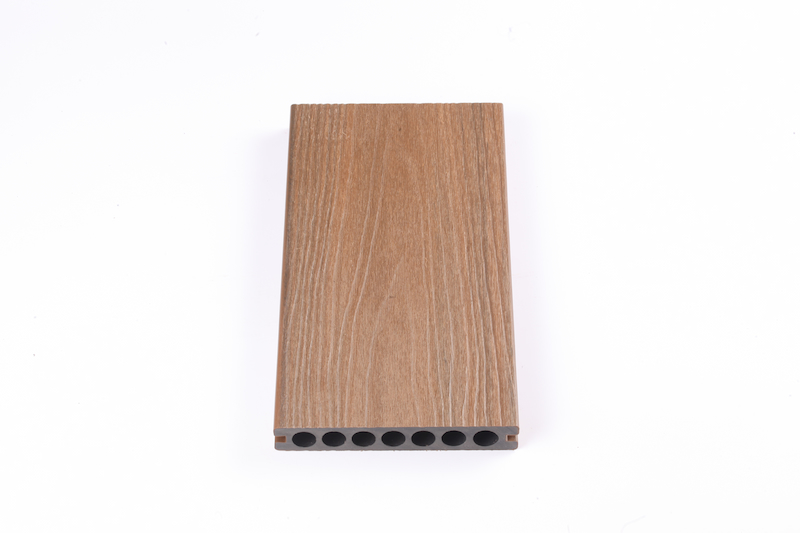
TL-WPC Co-Extrusion Decking utilizes recycled plastics and reclaimed wood fibers. By choosing composites,
opting for a sustainable lifecycle material that reduces deforestation and diverts plastic waste from landfills.
Certificates: FSC, CE, ISO 9001:2019, SGS, ISO14001,EPD™
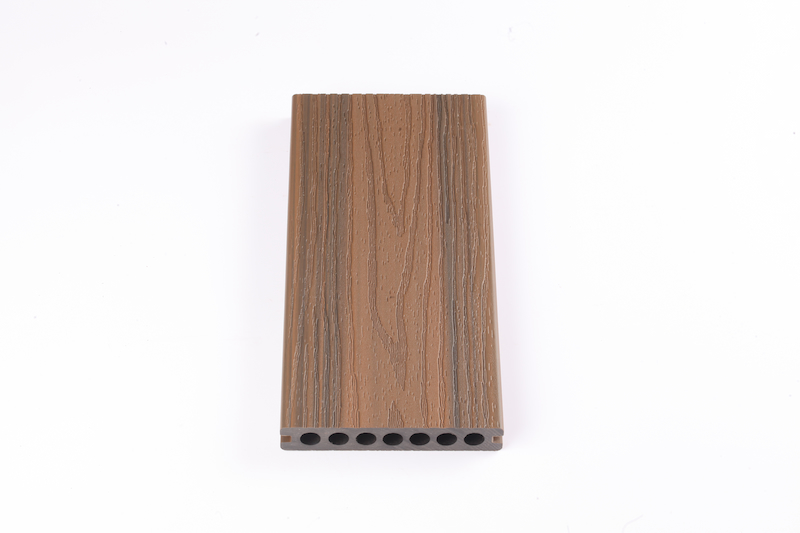
TL-WPC Co-Extrusion Decking is engineered to combine the natural beauty of wood with the extreme durability of synthetic materials,
making it one of the longest-lasting, lowest-maintenance, and most visually realistic outdoor flooring and decking.
Certificates: FSC, CE, ISO 9001:2019, SGS, ISO14001,EPD™
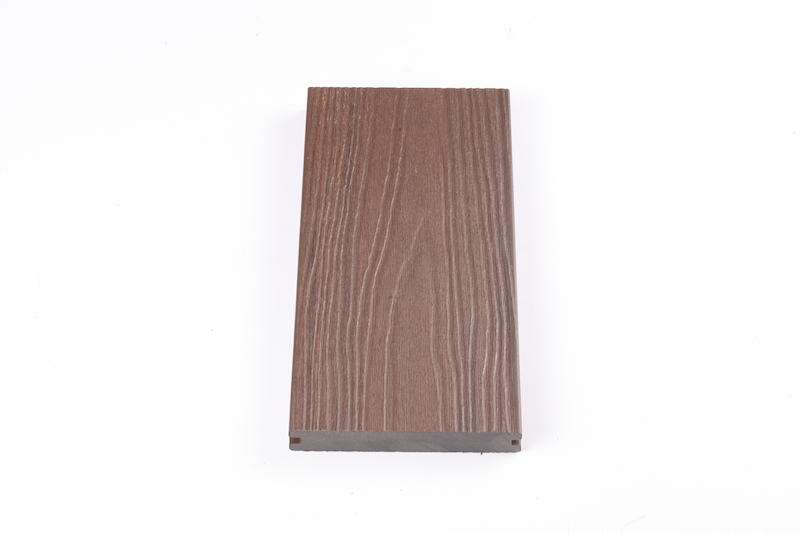
TL-WPC Co-Extrusion Decking represents the second and advanced generation of composite decking.
Certificates: FSC, CE, ISO 9001:2019, SGS, ISO14001,EPD™
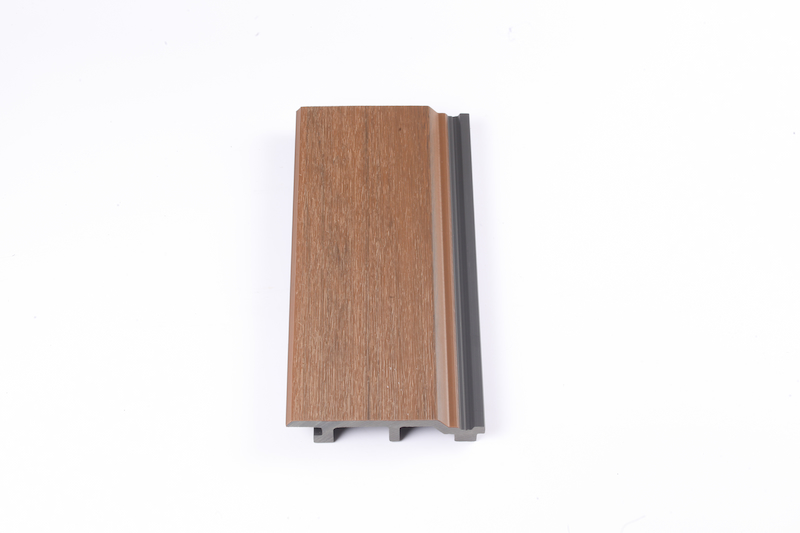
TL-WPC Co-Extrusion Wall Cladding represents the high-quality facade materials.
The All Wrapping ™ technology Outer Cap: a high-performance, wood-free polymer layer that completely seals the core, providing ultimate defense against external elements.
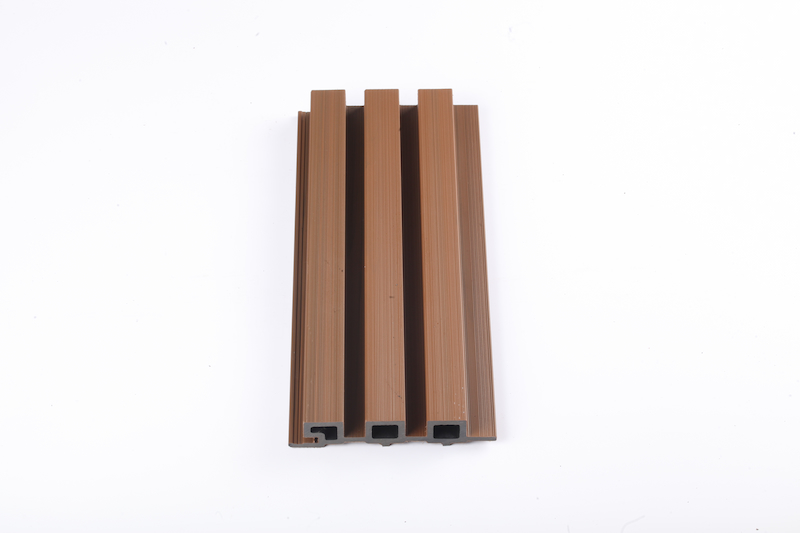
The Structural Core: TL WPC wall callding is made from high-density recycled wood fibers and polymer resins to ensure shape stability and structural integrity.
The All Wrapping ™ technology Outer Cap: a high-performance, wood-free polymer layer that completely seals the core, providing ultimate defense against external elements.
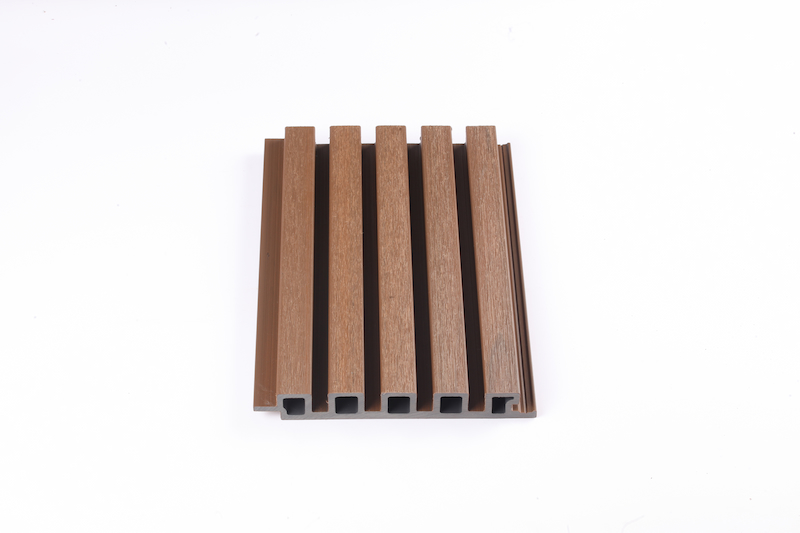
TL WPC Co-Extrusion Wall Cladding represents the high-quality facade materials.
The Structural Core: TL WPC wall callding is made from high-density recycled wood fibers and polymer resins to ensure shape stability and structural integrity.
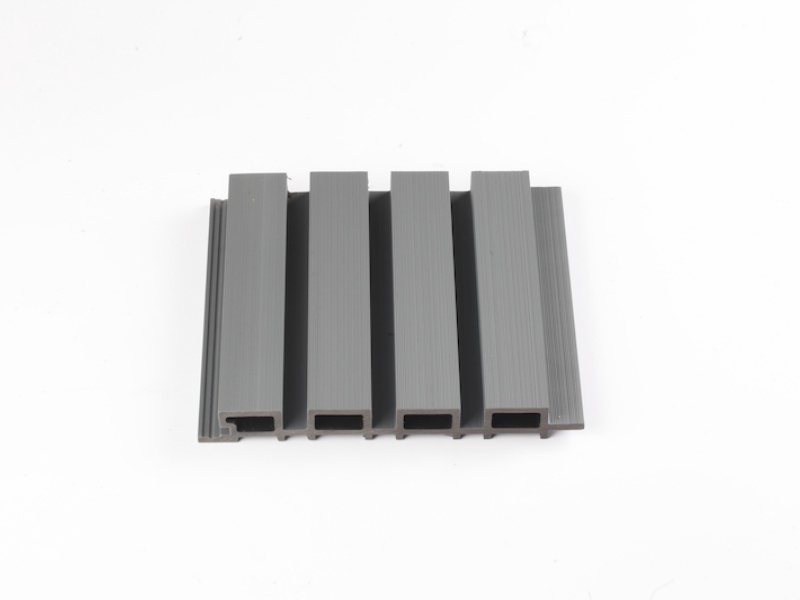
TL WPC is engineered by simultaneously pressing two distinct layers together under extreme heat to create a highly protective building envelope:
The All Wrapping ™ technology Outer Cap: a high-performance, wood-free polymer layer that completely seals the core, providing ultimate defense against external elements.
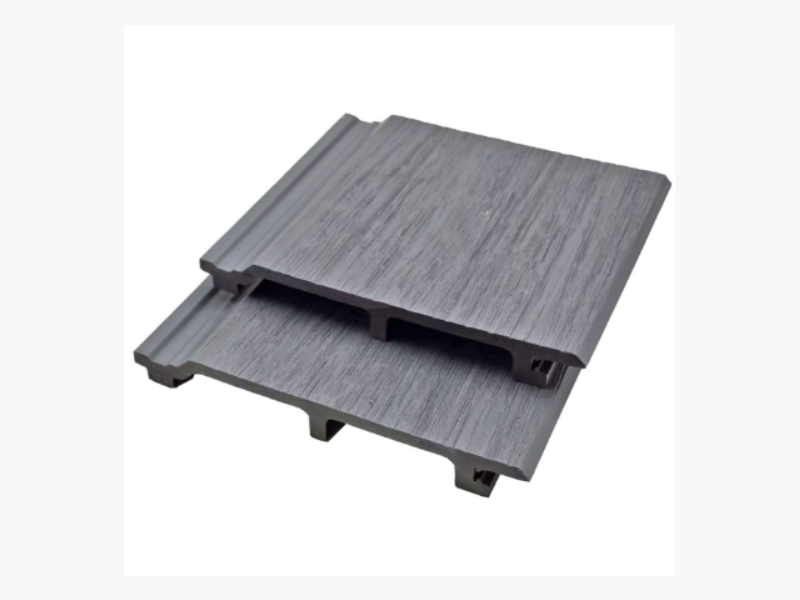
TL WPC is deeply committed to sustainable manufacturing practices.
By meticulously balancing high-density recycled polymers with reclaimed wood fibers, it delivers a robust, long-lasting alternative to natural wood without contributing to deforestation or environmental strain.
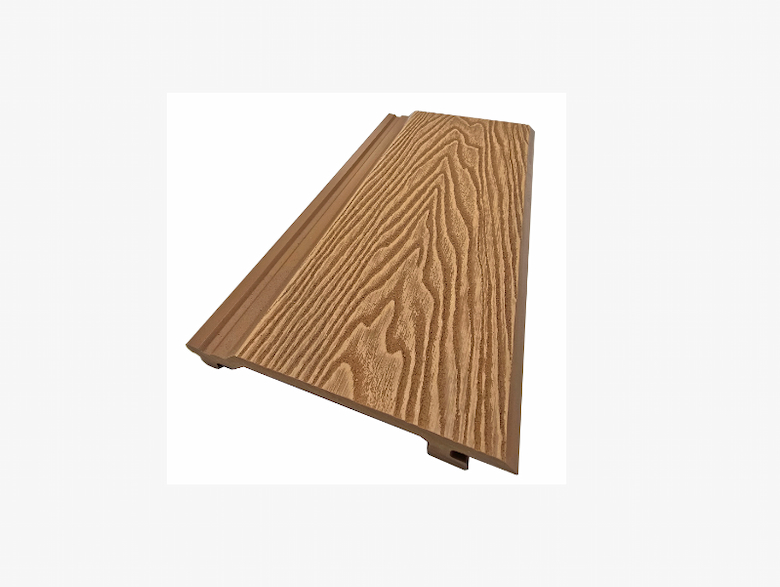
TL WPC wall callding is made from high-density recycled wood fibers and polymer resins to ensure shape stability and structural integrity.
The All Wrapping ™ technology Outer Cap: a high-performance, wood-free polymer layer that completely seals the core, providing ultimate defense against external elements.
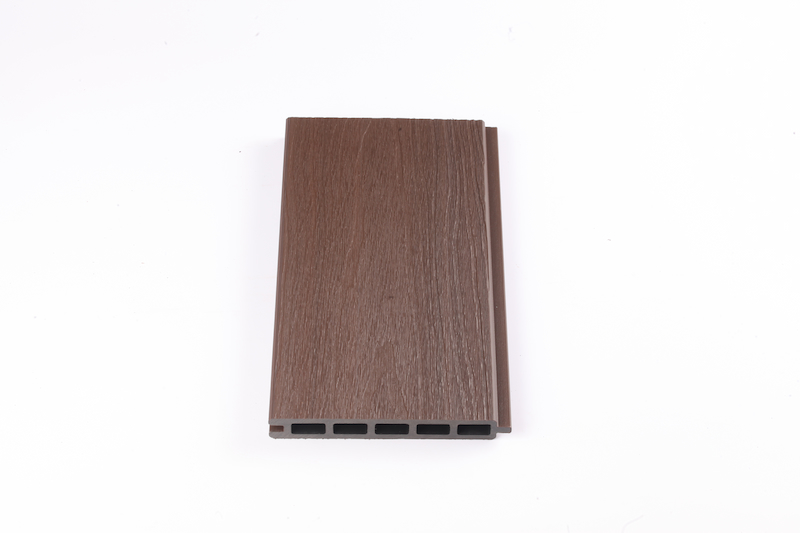
TL WPC fence board completely transforms both the durability and the aesthetic of the perimeter wall.
Combining advanced engineering with natural beauty, these boards represent the next generation of outdoor architectural cladding and fencing.
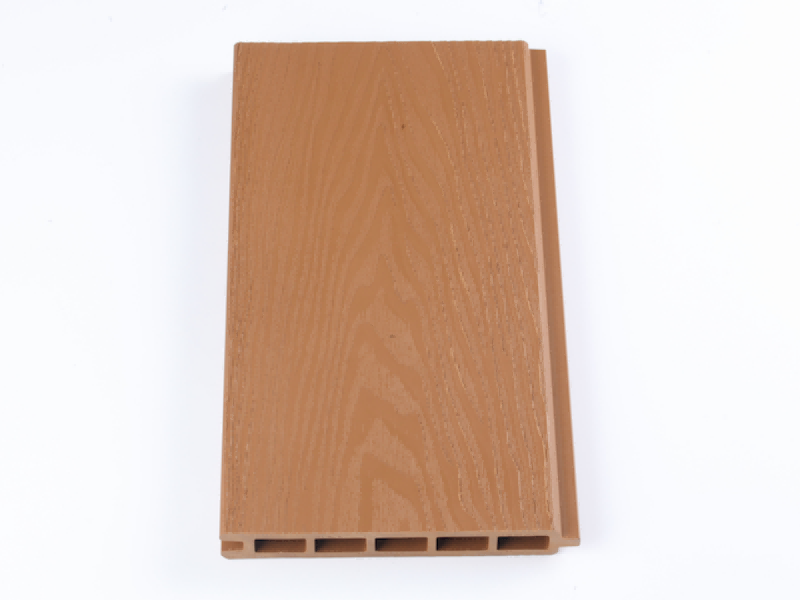
TL WPC fence board features dual-layer construction and deep embossing production process.
Engineered with a highly durable, 360-degree outer protective shell that is co-extruded simultaneously with the core wood-plastic composite matrix.
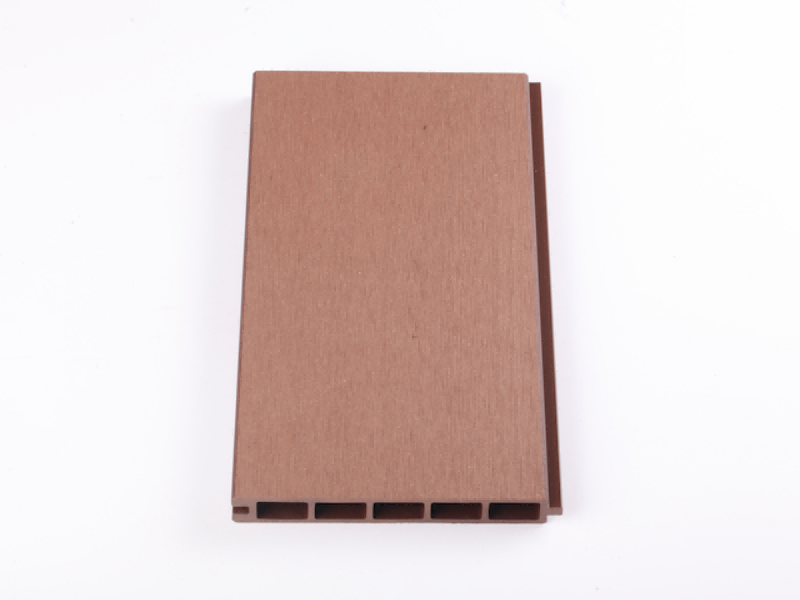
TL WPC completely eliminates this ongoing labor and material cost.
TL WPC holds its premium finish and structural integrity year after year with nothing more than an occasional sweep or water rinse.
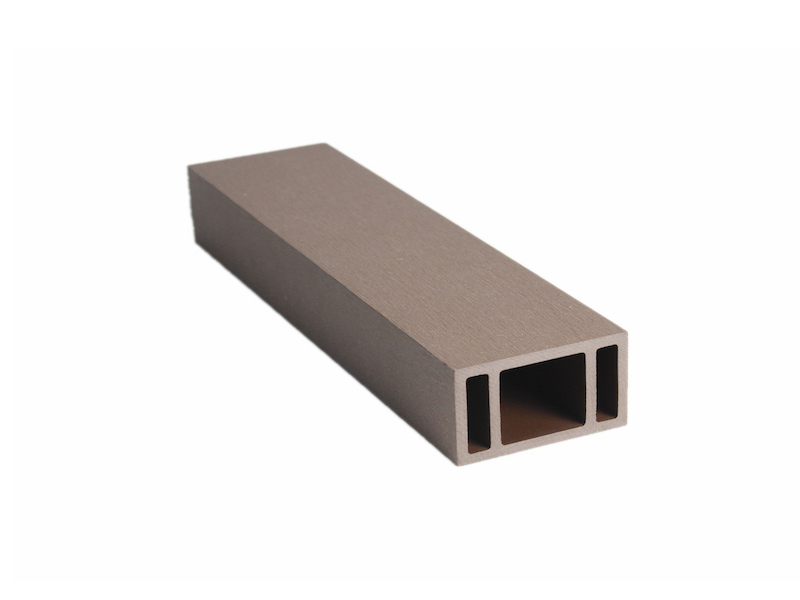
TL WPC (Wood-Plastic Composite) is exceptionally weather-resistant.
TL WPC doesn't warp, crack, split, or rot when exposed to harsh elements, heavy rain, or intense sunlight, ensuring a significantly longer lifespan than standard wood.
Certificates: FSC, CE, ISO 9001:2019, SGS, ISO14001,EPD™
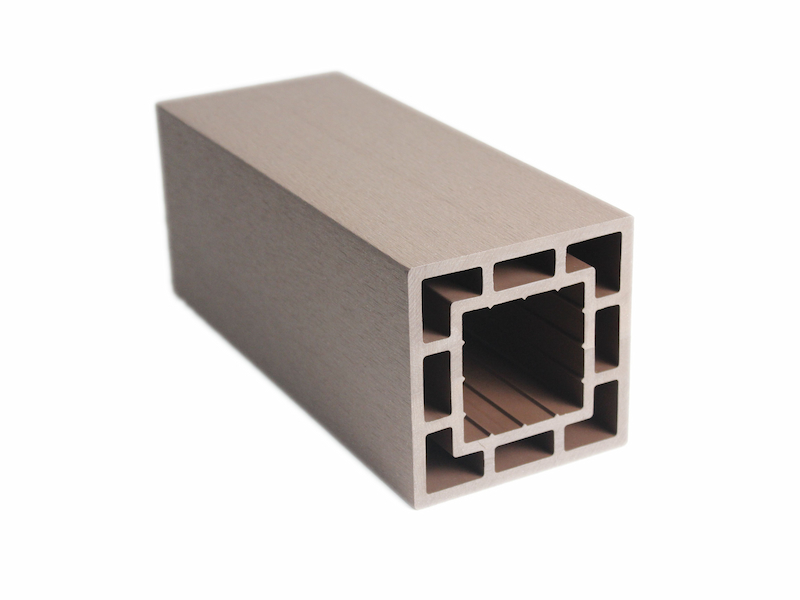
TL WPC (Wood-Plastic Composite) blends wood fibers with polymers, it creates a dense, non-porous material.
TL WPC won't absorb water (making it perfect for pool decks and damp balconies) and is completely impervious to termites and wood-boring insects.
Certificates: FSC, CE, ISO 9001:2019, SGS, ISO14001,EPD™
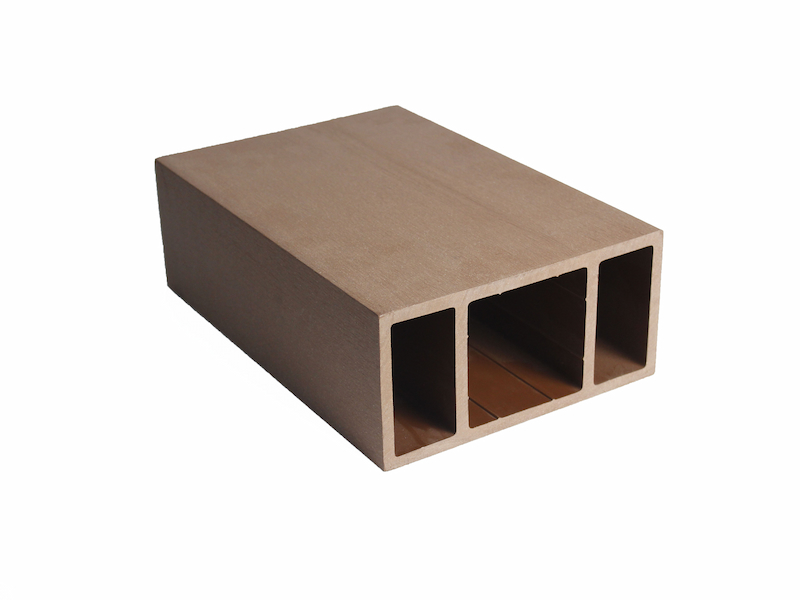
TL WPC (Wood-Plastic Composite) delivers the warm, premium aesthetics and authentic grain textures of natural timber but eliminates the traditional maintenance.
There is no need for seasonal sanding, staining, oiling, or painting to keep it looking fresh
Certificates: FSC, CE, ISO 9001:2019, SGS, ISO14001,EPD™
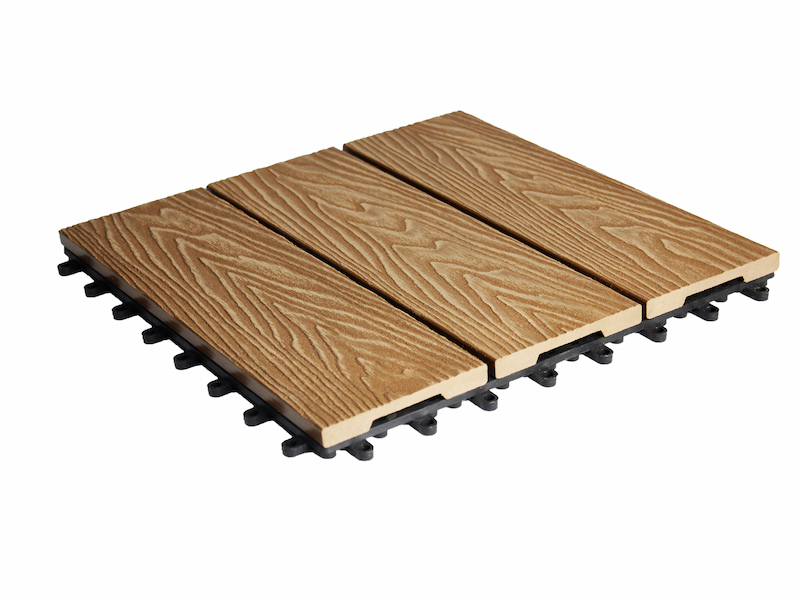
The practical 30x30 cm TL WPC tile design features a robust interlocking bottom base, allowing for
quick, seamless, and tool-free installation or removal, perfect for balconies, patios, and temporary setups.
Certificates: FSC, CE, ISO 9001:2019, SGS, ISO14001,EPD™
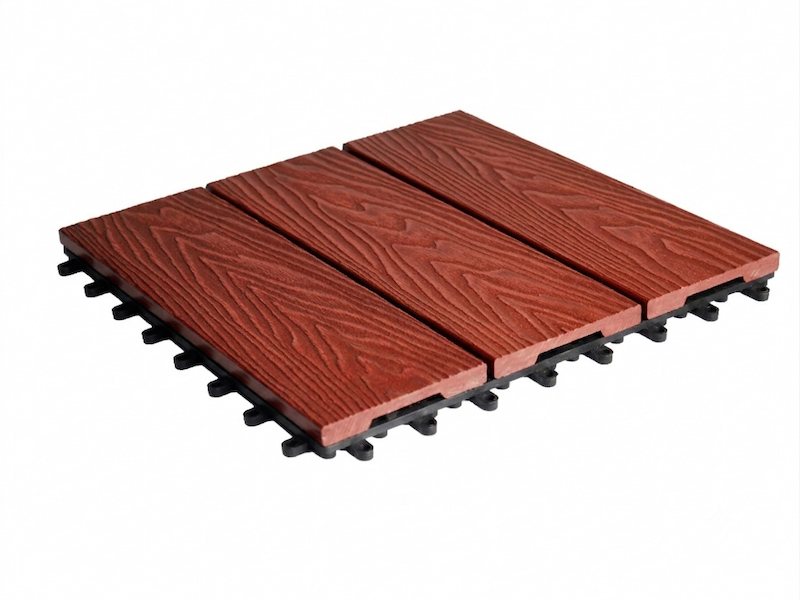
TL WPC deep embossed wood-grain texture offers a highly realistic, premium wood-like appearance that elevates the visual appeal of architectural projects.
Certificates: FSC, CE, ISO 9001:2019, SGS, ISO14001,EPD™
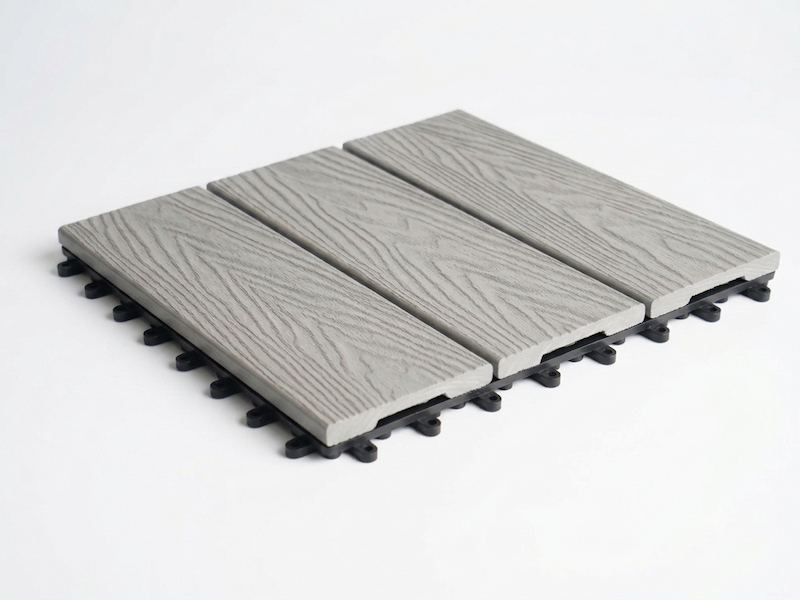
TL WPC DIY Tiles (Wood-Plastic Composite Do-It-Yourself tiles) are the fast, interlocking version of standard composite decking.
Certificates: FSC, CE, ISO 9001:2019, SGS, ISO14001,EPD™
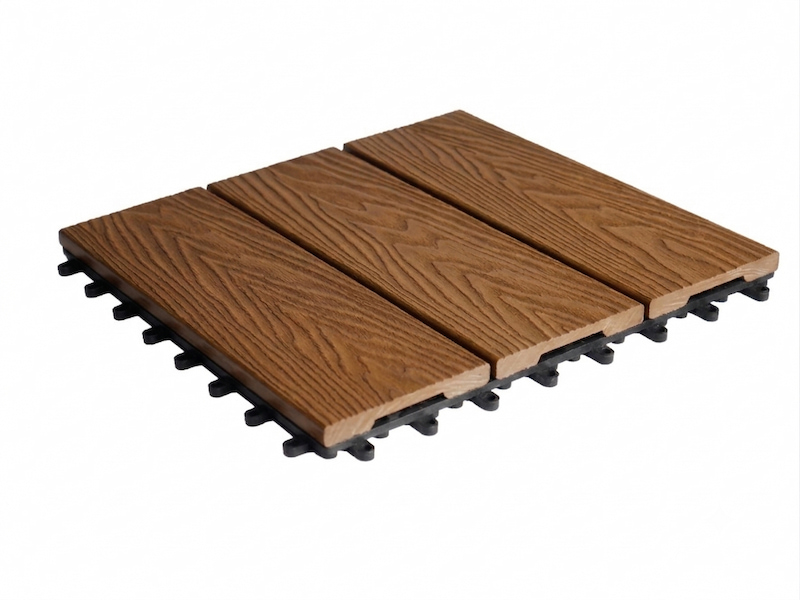
Every TL WPC tile features a heavy-duty plastic mesh backing with male and female tabs on all four sides. This enables a tool-free, snap-lock connection that holds the tiles firmly together without shifting
Certificates: FSC, CE, ISO 9001:2019, SGS, ISO14001,EPD™
Wuhu Tongling Import & Export Co., Ltd. is an innovative enterprise dedicated to the research, development, production, and sales of wood-plastic materials. Leveraging abundant local scientific research resources and a robust industrial foundation, the company specializes in providing eco-friendly and durable wood-plastic products to clients worldwide. Our R&D team continuously explores new application scenarios and cutting-edge technologies, aiming to drive ongoing innovation and foster the thriving growth of the wood-plastic industry.
Strategic planning to reduce environmental foot print and improve long term responsibility.
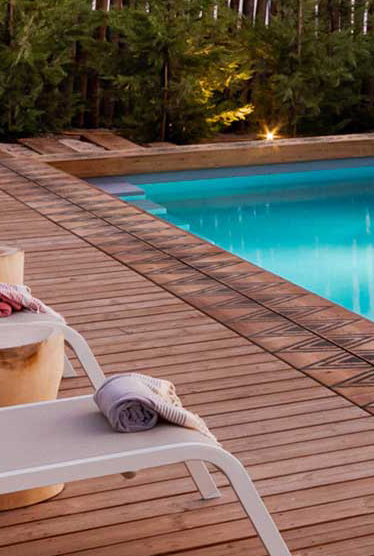
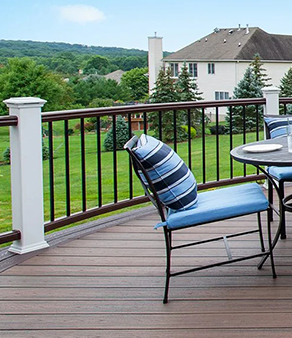
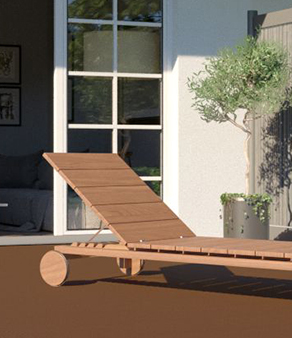


Crafted from sustainable and recycled materials, our WPC decking offers superior eco-friendly protection without compromising on quality

Engineered for maximum resilience, our decking resists weathering, rot, and fading to ensure long-lasting outdoor performance

Featuring the authentic, rich textures of natural wood, our decking instantly elevates the visual appeal of any outdoor living space

Available in a wide range of colors, profiles, and finishes, our decking provides ultimate flexibility to bring your unique design vision to life
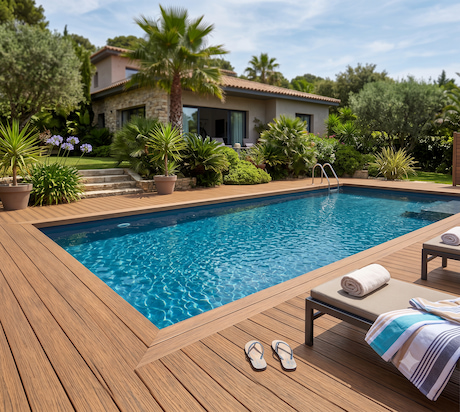
The homeowner sought a complete renovation of the open-air pool area in the backyard. The original treated-wood decking had suffered severe fading, cracking, and rotting after years of exposure to the elements and pool water. Of particular concern was the formation of splinters, which posed a significant safety hazard to children frequently playing barefoot by the poolside. After evaluating various options, the design team recommended high-quality co-extrusion WPC (Wood Plastic Composite) decking. WPC is a composite material created by extruding a blend of wood flour and eco-friendly plastics (such as HDPE). Compared to traditional timber and first-generation standard WPC, the co-extrusion WPC selected for this project features a 360-degree polymer protective layer, effectively resolving the aforementioned issues.
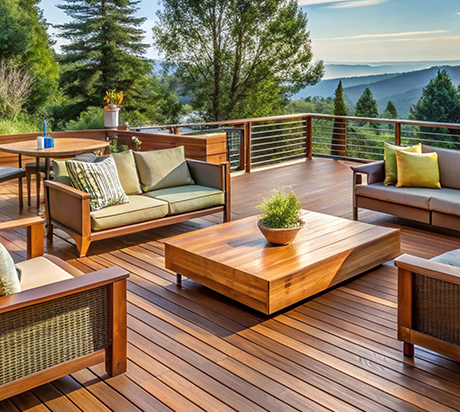
When it comes to designing the perfect outdoor terrace or patio, one of the most critical decisions is selecting the right flooring material. While the market offers a wide array of options, Wood Plastic Composite (WPC) stands out as a reliable, high-performance choice that will absolutely never let you down. Recently, we had the privilege of supplying our premium WPC decking for a beautiful outdoor project in Singapore. We are thrilled with the results and want to extend our heartfelt gratitude to our Singaporean client for choosing us and sharing their fantastic feedback! The Perfect Match for Outdoor Living Choosing the right material for an outdoor deck can be daunting. You need something that looks beautiful but can also withstand the elements—especially in a tropical climate like Singapore, which is known for its intense sun, heavy rainfall, and high humidity. Here is why WPC decking was the perfect solution for this project, and why it should be at the top of your list for your next outdoor renovation: Exceptional Durability: Unlike traditional wood, WPC is engineered to resist fading, scratching, warping, and splintering. It easily handles harsh weather conditions and heavy foot traffic. Ultra-Low Maintenance: Say goodbye to the endless cycle of sanding, staining, and sealing. WPC decking requires nothing more than a simple occasional wash with soap and water to keep it looking brand new. Natural Aesthetic: Our WPC boards capture the rich, authentic texture and warmth of natural wood, instantly elevating the elegance of any outdoor space without the natural drawbacks of timber. Moisture and Rot Resistance: The composite blend of wood fibers and durable plastics creates a waterproof barrier, making it highly resistant to rot, mold, and termite damage. A Big Thank You to Our Customer Customer satisfaction is at the heart of everything we do. We are incredibly grateful to our client in Singapore for their trust in our flooring products and for taking the time to share their positive experience with us. Seeing our WPC decking bring their outdoor terrace vision to life is the ultimate reward. Planning an outdoor upgrade? Take a page out of our Singapore client's book. Whether you are building a cozy backyard patio or a sprawling commercial terrace, WPC decking is a smart, stylish, and long-lasting investment that guarantees peace of mind.
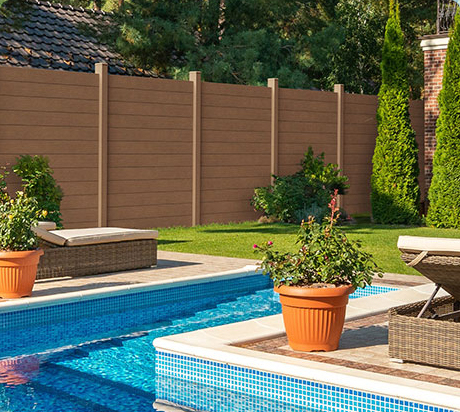
For commercial or engineering projects of this nature, "cheap" certainly does not imply poor quality; rather, it signifies exceptional value for money. For large-scale projects with strict budget controls—where the goal is to combine the aesthetic appeal of real wood with the water resistance of plastic—economical hollow WPC fencing offers a highly practical and reliable solution.
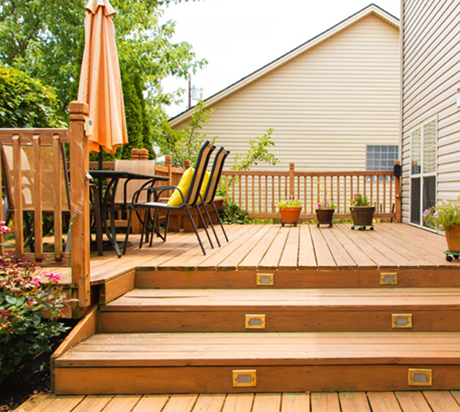
In a recent commercial landscaping project located in the United Kingdom, a large cafe successfully revitalized its outdoor seating area by installing 175 square meters of premium Wood-Plastic Composite (WPC) decking. This installation perfectly demonstrates how innovative building materials can elevate commercial spaces by balancing aesthetic charm with heavy-duty performance. Creating a Warm and Inviting Atmosphere The primary goal of the outdoor renovation was to cultivate a welcoming environment for the cafe's patrons. The new WPC decking delivers exactly that, featuring a natural, wood-like texture that exudes warmth and elegance. This authentic timber appearance enhances the overall outdoor dining experience, inviting customers to relax and enjoy their surroundings in a beautifully designed setting. Engineered for High Traffic and Safety For a bustling cafe, visual appeal must be matched by rugged practicality. Designed specifically to withstand high-frequency foot traffic, this WPC flooring offers exceptional durability. Safety is also a top priority in any commercial venue; to address this, the decking features a highly slip-resistant surface, providing peace of mind for both staff navigating the tables and customers enjoying their coffee. Furthermore, its ultra-low maintenance nature means the cafe's management can focus on hospitality rather than costly and time-consuming deck upkeep. Unwavering Reliability in a Coastal Environment One of the standout achievements of this installation is the material's resilience. Situated in a coastal setting, the cafe's outdoor area is routinely subjected to challenging weather conditions. Thanks to the WPC decking’s outstanding weather resistance, it easily withstands moisture, coastal air, and temperature fluctuations. This guarantees long-term commercial reliability, ensuring the deck maintains its structural integrity and flawless appearance for years to come. By seamlessly blending the organic beauty of traditional wood with the superior endurance of composite technology, this UK cafe project stands as a testament to WPC decking as the ultimate choice for high-demand commercial outdoor spaces.
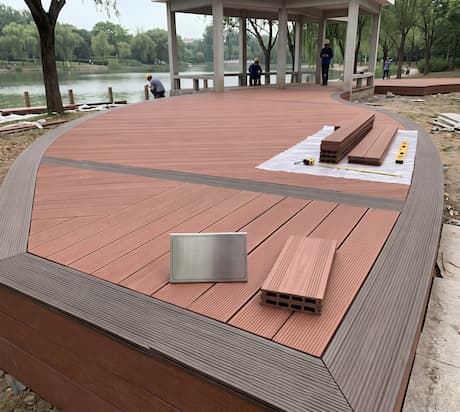
In a recent landscaping initiative, a public park in Mexico has successfully transformed its grounds with the installation of 260 square meters of Wood-Plastic Composite (WPC) decking. This project was carefully envisioned to create a stunning, highly durable outdoor space perfectly tailored for public enjoyment and community gatherings. Engineered for High Traffic and Variable Climates Public parks demand building materials that can endure constant, heavy use alongside shifting environmental factors. This newly installed WPC flooring is specifically engineered to withstand high-frequency foot traffic and the region's variable weather conditions. By seamlessly blending the natural, authentic texture of traditional wood with the advanced performance benefits of composite technology, the decking provides unparalleled structural strength without compromising on its organic aesthetic. A Safe, Eco-Friendly, and Low-Maintenance Solution Beyond its impressive durability, the WPC decking prioritizes the well-being of the park's visitors. It offers a safe, slip-resistant, and splinter-free surface for people of all ages to walk, play, and relax on. Additionally, as an eco-friendly material, it aligns perfectly with sustainable urban development practices. For the park's management team, the extremely low-maintenance nature of WPC is a significant advantage—it completely eliminates the need for the rigorous staining, sealing, and costly upkeep typically required by natural timber. Enhancing Functionality and Overall Beauty Ultimately, this project highlights the immense value of WPC decking in modern public infrastructure. By guaranteeing long-term durability while simultaneously upgrading both the practical functionality and the visual appeal of the environment, this newly paved area has successfully created a welcoming, reliable, and enduring outdoor haven for the local community to enjoy for years to come.
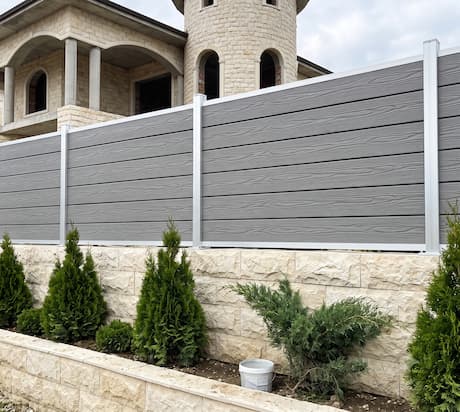
TL-WPC has recently completed a successful product delivery for a residential project in the United States, supplying 14 complete sets of premium Wood-Plastic Composite (WPC) fences. This project highlights the growing demand for innovative outdoor building materials that offer both superior functionality and aesthetic appeal. Engineered for Durability and Security Designed with longevity in mind, these WPC fences provide homeowners with exceptional privacy and security. What sets this installation apart is the integration of advanced material technology. The fencing is specially engineered to withstand challenging environmental factors, boasting enhanced resistance to UV rays, moisture, fading, and scratching. This ensures that the structural integrity and vibrant color of the fences are preserved, even through harsh weather conditions. Modern Aesthetics Meets Low Maintenance Beyond its impressive durability, the TL-WPC fencing offers a striking visual appeal. Featuring a modern, natural wood-grain appearance, the fences seamlessly blend with the surrounding residential landscape, providing an elegant and warm border to the property. Furthermore, one of the most significant advantages for the homeowners is the ease of care. Unlike traditional wood fences that require frequent staining, sealing, and costly repairs, these WPC alternatives demand extremely low maintenance. This allows residents to enjoy a beautiful, long-lasting fence without the tedious upkeep. By combining the timeless beauty of wood with the cutting-edge performance of composite materials, this recent US project serves as a perfect example of how TL-WPC fencing can effortlessly upgrade both the security and the aesthetic value of any modern home.
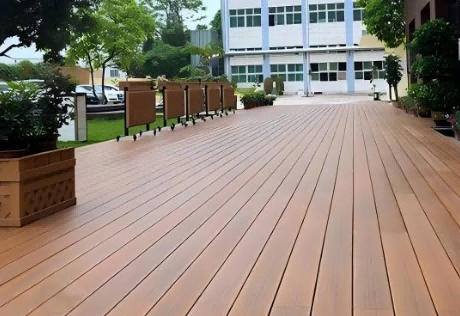
Wood-Plastic Composites (WPC) have experienced explosive growth over the past two decades, thanks to their unique combination of natural wood texture and plastic weather resistance, coupled with their eco-friendly "waste recycling" attributes. From outdoor decking and wall cladding to indoor decorative materials, WPC has become an indispensable player in the modern building materials sector. However, with shifts in the global macroeconomic environment, increasingly strict environmental regulations, and the evolution of consumer aesthetics, the traditional WPC industry is facing unprecedented bottlenecks: "excess low-end capacity, severe product homogenization, and fierce price wars." At this critical crossroads, the traditional WPC industry must press the "accelerate" button on transformation and upgrading. I. The "Three Major Pain Points" Facing the Traditional WPC Industry To discuss transformation, we must first identify the stumbling blocks at our feet. The core pain points of the current traditional WPC industry can be summarized in the following three areas: 1.Low Technical Barriers and the Quagmire of "Price Wars"The traditional single-screw extrusion process is highly mature, resulting in extremely low barriers to entry. The market is flooded with first-generation WPC products featuring rudimentary formulas and rough craftsmanship. To seize market share, companies often sacrifice profits and even product quality to engage in vicious competition, leading to a scenario where bad money drives out good. 2.Dual Limitations in Performance and AestheticsFirst-generation WPC materials are prone to fading, brittleness, and poor creep resistance. Additionally, their heavy "plastic feel" on the surface makes it difficult to meet the stringent demands of modern high-end architectural design for "natural textures" and a "premium look." 3.The "Pseudo-Green" Crisis of Green ManufacturingAlthough the original intention of WPC was to utilize waste plastics and wood flour, issues of high energy consumption, exhaust emissions, and pollution from certain additives still exist in actual production. More importantly, the secondary recycling system for first-generation WPC products at the end of their life cycle has not yet been fully established. II. The Path to Breaking Through: Core Strategies for WPC Industry Transformation Facing these pain points, traditional WPC companies cannot merely stop at superficial "cost reduction and efficiency enhancement." They must undergo a profound restructuring towards high value-added, intelligent, and genuinely green solutions. 1. Technological Leap in Materials and Processes (From Mono-material to Co-extrusion) Technological upgrading is the primary driver of industrial transformation. The WPC industry is leaping from the "first generation (uncapped WPC)" to the "second generation (co-extruded WPC)" and even the "third generation (functional composite WPC)." Comprehensive Popularization of Co-extrusion Technology: By wrapping a layer of high-polymer weather-resistant material around the core, problems like fading, mildew, and scratching are thoroughly resolved. Functional Modification: Introducing nano-modification technologies for flame retardancy, antibacterial properties, and anti-static features. This expands WPC applications from traditional outdoor landscaping to indoor spaces in public buildings, hospitals, and schools where fire safety and hygiene requirements are extremely high. Ultimate Surface Treatment Processes: Utilizing technologies like 3D embossing and online heat transfer printing to create visual and tactile sensations that rival or even surpass solid wood, satisfying the demands of high-end designers. 2. Embracing "Industry 4.0" to Build Smart Manufacturing Factories Traditional WPC production often relies on manual mixing and experiential machine tuning, resulting in heavy dust and unstable yield rates. The key to transformation lies in the intelligent modernization of production lines. Fully Automatic Centralized Feeding Systems: Bidding farewell to dusty traditional workshops by achieving precise measurement and enclosed conveying of formulas, thereby improving batch stability. Production Data Acquisition and AI Quality Control: Introducing MES (Manufacturing Execution Systems) to monitor extruder temperature, pressure, and main motor current in real-time, while utilizing visual recognition technology for online surface defect detection. 3. Deepening the "Circular Economy" to Achieve Full Life-Cycle Carbon Reduction Under the global mandate of Net Zero emissions, the environmental narrative of the WPC industry needs a major rewrite. 4. Cross-border Integration of Brand and Design WPC companies need to transition from being merely "raw material suppliers" to "spatial lifestyle providers." They must abandon the low-level model of selling materials by the ton and extend their reach toward comprehensive solutions (such as outdoor prefabricated quick-assembly systems, smart pergolas, and high-end exterior wall cladding systems). Strengthening cross-border cooperation with architects and interior designers will imbue the materials with deeper soul and premium value through design. III. Conclusion The transformation and upgrading of the traditional WPC industry is not a multiple-choice question, but a life-and-death knockout round. Companies that remain obsessed with low-end price-cutting and refuse to invest in technological R&D and environmental upgrades will inevitably be rapidly marginalized in this low-margin era. Conversely, WPC companies that dare to step out of their comfort zones and embrace new material processes, intelligent manufacturing, and profound environmental concepts will usher in their own "golden age" within the vast green building materials market of the future. This represents not just an industrial upgrade, but a profound re-understanding and reverence for natural resources.
Wood-Plastic Composites (WPC) have experienced explosive growth over the past two decades, thanks to their unique combination of natural wood texture and plastic weather resistance, coupled with their eco-friendly "waste recycling" attributes. From outdoor decking and wall cladding to indoor decorative materials, WPC has become an indispensable player in the modern building materials sector. However, with shifts in the global macroeconomic environment, increasingly strict environmental regulations, and the evolution of consumer aesthetics, the traditional WPC industry is facing unprecedented bottlenecks: "excess low-end capacity, severe product homogenization, and fierce price wars." At this critical crossroads, the traditional WPC industry must press the "accelerate" button on transformation and upgrading. I. The "Three Major Pain Points" Facing the Traditional WPC Industry To discuss transformation, we must first identify the stumbling blocks at our feet. The core pain points of the current traditional WPC industry can be summarized in the following three areas: 1.Low Technical Barriers and the Quagmire of "Price Wars"The traditional single-screw extrusion process is highly mature, resulting in extremely low barriers to entry. The market is flooded with first-generation WPC products featuring rudimentary formulas and rough craftsmanship. To seize market share, companies often sacrifice profits and even product quality to engage in vicious competition, leading to a scenario where bad money drives out good. 2.Dual Limitations in Performance and AestheticsFirst-generation WPC materials are prone to fading, brittleness, and poor creep resistance. Additionally, their heavy "plastic feel" on the surface makes it difficult to meet the stringent demands of modern high-end architectural design for "natural textures" and a "premium look." 3.The "Pseudo-Green" Crisis of Green ManufacturingAlthough the original intention of WPC was to utilize waste plastics and wood flour, issues of high energy consumption, exhaust emissions, and pollution from certain additives still exist in actual production. More importantly, the secondary recycling system for first-generation WPC products at the end of their life cycle has not yet been fully established. II. The Path to Breaking Through: Core Strategies for WPC Industry Transformation Facing these pain points, traditional WPC companies cannot merely stop at superficial "cost reduction and efficiency enhancement." They must undergo a profound restructuring towards high value-added, intelligent, and genuinely green solutions. 1. Technological Leap in Materials and Processes (From Mono-material to Co-extrusion) Technological upgrading is the primary driver of industrial transformation. The WPC industry is leaping from the "first generation (uncapped WPC)" to the "second generation (co-extruded WPC)" and even the "third generation (functional composite WPC)." Comprehensive Popularization of Co-extrusion Technology: By wrapping a layer of high-polymer weather-resistant material around the core, problems like fading, mildew, and scratching are thoroughly resolved. Functional Modification: Introducing nano-modification technologies for flame retardancy, antibacterial properties, and anti-static features. This expands WPC applications from traditional outdoor landscaping to indoor spaces in public buildings, hospitals, and schools where fire safety and hygiene requirements are extremely high. Ultimate Surface Treatment Processes: Utilizing technologies like 3D embossing and online heat transfer printing to create visual and tactile sensations that rival or even surpass solid wood, satisfying the demands of high-end designers. 2. Embracing "Industry 4.0" to Build Smart Manufacturing Factories Traditional WPC production often relies on manual mixing and experiential machine tuning, resulting in heavy dust and unstable yield rates. The key to transformation lies in the intelligent modernization of production lines. Fully Automatic Centralized Feeding Systems: Bidding farewell to dusty traditional workshops by achieving precise measurement and enclosed conveying of formulas, thereby improving batch stability. Production Data Acquisition and AI Quality Control: Introducing MES (Manufacturing Execution Systems) to monitor extruder temperature, pressure, and main motor current in real-time, while utilizing visual recognition technology for online surface defect detection. 3. Deepening the "Circular Economy" to Achieve Full Life-Cycle Carbon Reduction Under the global mandate of Net Zero emissions, the environmental narrative of the WPC industry needs a major rewrite. 4. Cross-border Integration of Brand and Design WPC companies need to transition from being merely "raw material suppliers" to "spatial lifestyle providers." They must abandon the low-level model of selling materials by the ton and extend their reach toward comprehensive solutions (such as outdoor prefabricated quick-assembly systems, smart pergolas, and high-end exterior wall cladding systems). Strengthening cross-border cooperation with architects and interior designers will imbue the materials with deeper soul and premium value through design. III. Conclusion The transformation and upgrading of the traditional WPC industry is not a multiple-choice question, but a life-and-death knockout round. Companies that remain obsessed with low-end price-cutting and refuse to invest in technological R&D and environmental upgrades will inevitably be rapidly marginalized in this low-margin era. Conversely, WPC companies that dare to step out of their comfort zones and embrace new material processes, intelligent manufacturing, and profound environmental concepts will usher in their own "golden age" within the vast green building materials market of the future. This represents not just an industrial upgrade, but a profound re-understanding and reverence for natural resources.
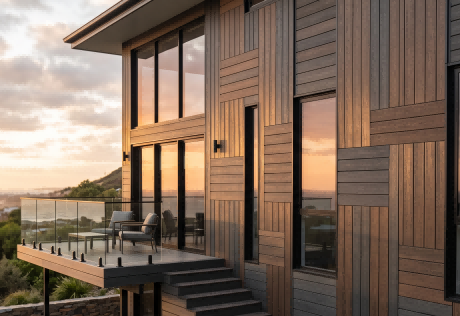
Designing the exterior of a building comes with a unique set of challenges. Architects and developers must find materials that deliver striking visual appeal to attract buyers and clients, while simultaneously surviving the harshest outdoor elements for decades. Traditional timber cladding looks beautiful on day one, but quickly falls victim to rot, moisture, and sun damage. Metal and vinyl can look overly industrial or cheap. The modern solution that perfectly bridges this gap is Outdoor WPC (Wood-Plastic Composite). Engineered specifically for exterior applications, decorative WPC is rapidly becoming the standard for high-performance outdoor design. Here is why it is the ultimate material for your next project. 1. Uncompromising Weather Resistance The primary job of any exterior material is to protect the structure from the elements. Outdoor WPC is manufactured by combining resilient wood fibers with high-density polymers, creating a dense, impermeable shield. Unlike natural wood, WPC does not absorb moisture. This means it will never swell, warp, rot, or split, even in regions with heavy rainfall, high humidity, or extreme freeze-thaw cycles. It acts as a permanent, weatherproof barrier that protects the building while requiring zero waterproofing treatments or chemical sealants. 2. Advanced Fade Resistance for Lasting Color One of the biggest frustrations with exterior wood is how quickly the sun destroys its appearance. UV rays bleach traditional timber, turning a rich brown facade into a dull, weathered gray within months, forcing property owners into a cycle of constant restaining. Modern outdoor WPC is engineered with advanced UV inhibitors and high-quality color pigments mixed directly into the core material. This provides exceptional fade resistance. Whether exposed to the blistering summer sun or harsh winter glare, WPC retains its vibrant, rich color year after year. 3. Highly Decorative Architectural Appeal Performance is crucial, but aesthetics close the deal. WPC is not just a protective layer; it is a highly versatile decorative element. Advanced manufacturing allows WPC to perfectly mimic the natural, warm textures of real wood. Available in a wide variety of profiles—including sleek flat panels, modern fluted cladding, and classic slatted designs—WPC gives designers the freedom to create striking, contemporary facades. It adds instant curb appeal and a touch of luxury to residential homes, commercial office buildings, and outdoor pavilions. 4. Zero Maintenance, Maximum ROI For property owners and facility managers, the true value of WPC lies in its low maintenance requirements. Because it is highly weather and fade-resistant, the exterior never needs to be sanded, painted, or stained. A simple periodic wash with water is all it takes to keep the facade looking brand new. This drastically reduces long-term maintenance costs and labor, delivering an outstanding return on investment. The Bottom Line When evaluating materials for exterior wall cladding, outdoor ceilings, or architectural screening, you no longer have to choose between beauty and durability. Decorative, weather-resistant, and fade-resistant Outdoor WPC delivers it all. It is the smart, sustainable, and stylish choice for modern construction projects that are built to last.
Designing the exterior of a building comes with a unique set of challenges. Architects and developers must find materials that deliver striking visual appeal to attract buyers and clients, while simultaneously surviving the harshest outdoor elements for decades. Traditional timber cladding looks beautiful on day one, but quickly falls victim to rot, moisture, and sun damage. Metal and vinyl can look overly industrial or cheap. The modern solution that perfectly bridges this gap is Outdoor WPC (Wood-Plastic Composite). Engineered specifically for exterior applications, decorative WPC is rapidly becoming the standard for high-performance outdoor design. Here is why it is the ultimate material for your next project. 1. Uncompromising Weather Resistance The primary job of any exterior material is to protect the structure from the elements. Outdoor WPC is manufactured by combining resilient wood fibers with high-density polymers, creating a dense, impermeable shield. Unlike natural wood, WPC does not absorb moisture. This means it will never swell, warp, rot, or split, even in regions with heavy rainfall, high humidity, or extreme freeze-thaw cycles. It acts as a permanent, weatherproof barrier that protects the building while requiring zero waterproofing treatments or chemical sealants. 2. Advanced Fade Resistance for Lasting Color One of the biggest frustrations with exterior wood is how quickly the sun destroys its appearance. UV rays bleach traditional timber, turning a rich brown facade into a dull, weathered gray within months, forcing property owners into a cycle of constant restaining. Modern outdoor WPC is engineered with advanced UV inhibitors and high-quality color pigments mixed directly into the core material. This provides exceptional fade resistance. Whether exposed to the blistering summer sun or harsh winter glare, WPC retains its vibrant, rich color year after year. 3. Highly Decorative Architectural Appeal Performance is crucial, but aesthetics close the deal. WPC is not just a protective layer; it is a highly versatile decorative element. Advanced manufacturing allows WPC to perfectly mimic the natural, warm textures of real wood. Available in a wide variety of profiles—including sleek flat panels, modern fluted cladding, and classic slatted designs—WPC gives designers the freedom to create striking, contemporary facades. It adds instant curb appeal and a touch of luxury to residential homes, commercial office buildings, and outdoor pavilions. 4. Zero Maintenance, Maximum ROI For property owners and facility managers, the true value of WPC lies in its low maintenance requirements. Because it is highly weather and fade-resistant, the exterior never needs to be sanded, painted, or stained. A simple periodic wash with water is all it takes to keep the facade looking brand new. This drastically reduces long-term maintenance costs and labor, delivering an outstanding return on investment. The Bottom Line When evaluating materials for exterior wall cladding, outdoor ceilings, or architectural screening, you no longer have to choose between beauty and durability. Decorative, weather-resistant, and fade-resistant Outdoor WPC delivers it all. It is the smart, sustainable, and stylish choice for modern construction projects that are built to last.
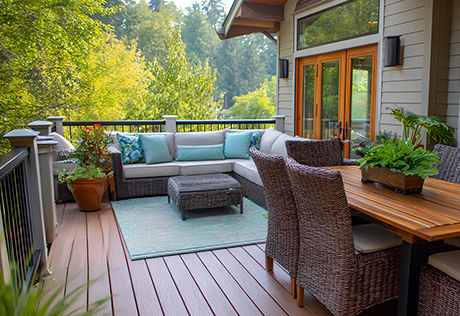
For decades, traditional wood flooring has been a staple in outdoor and commercial design, praised for its natural beauty. However, property managers, contractors, and developers know the hidden costs all too well: relentless maintenance, inevitable rot, and the constant threat of termite damage. It is time to say goodbye to these costly headaches. TL- WPC Flooring provides the perfect modern solution, delivering the authentic aesthetic of natural wood while engineering out all of its physical flaws. The Core Advantages of TL- WPC When selecting materials for high-traffic or outdoor projects, long-term performance is just as important as the initial appearance. TL- WPC Flooring is designed to outperform traditional timber across every major metric: Rot & Insect Proof: The advanced composite structure completely eliminates the risk of decay and termite infestations, ensuring structural integrity for years. Waterproof Performance: Unlike natural wood that swells, warps, and splinters when wet, our WPC flooring handles rain, humidity, and direct water exposure flawlessly. Long Service Life: Engineered to withstand harsh environmental conditions, providing a durable flooring solution that does not degrade over time. Dramatically Lower Maintenance Costs: Forget the endless cycle of sanding, staining, and sealing. TL- WPC requires only basic cleaning, saving property owners significant time and labor expenses over the lifespan of the material. Designed for High-End Applications Because it seamlessly combines luxury aesthetics with rugged durability, TL- WPC Flooring is the go-to material for premium outdoor and commercial spaces. It is highly recommended for: Luxury Hotel and Resort exteriors Commercial and Residential Decks Landscape and Garden pathways Poolside surrounds and moisture-heavy zones Your Reliable Global Manufacturing Partner For distributors, contractors, and B2B buyers, sourcing from a dependable manufacturer is just as crucial as the product itself. When you choose TL- WPC Flooring, you gain a strategic supply chain advantage: Factory Direct Supply: Cut out the middlemen and secure highly competitive pricing for your large-scale projects and distribution networks. OEM & Custom Colors: We offer extensive customization to ensure the flooring perfectly matches your specific architectural designs or local market trends. Fast Delivery: Streamlined production and logistics mean your materials arrive on schedule, keeping your projects and inventory on track. Global Export Experience: With a proven track record of international shipping, we handle the complexities of global trade to ensure a smooth, hassle-free purchasing experience. Upgrade Your Next Project Stop letting traditional wood drain your maintenance budget and complicate your projects. TL- WPC Flooring offers the visual appeal your clients demand, paired with the performance and supply chain reliability your business needs.
More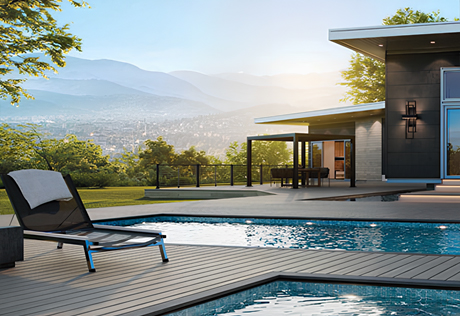
In modern landscape and architectural design, the concept of "Quiet Luxury" is taking center stage. Homeowners and commercial spaces are moving away from overly complicated, high-maintenance exteriors. Instead, they are embracing the Japandi style—a design philosophy that blends Japanese minimalism with Scandinavian functionality, focusing on clean lines, warm neutral tones, and natural textures. However, executing this minimalist vision outdoors comes with a practical challenge: how do you maintain the warm, authentic look of natural wood without the heavy maintenance that traditional timber requires? This case study explores how WPC (Wood Plastic Composite) Decking serves as the perfect material to achieve this ultimate outdoor sanctuary. The Design Vision: Minimalist, Warm, and Effortless The goal for this outdoor project was to create a seamless transition between the indoor living space and the outdoors. The design required a foundation that felt organic and grounded, appealing to minimalist minds while exuding a subtle, quiet luxury. To achieve this, the selected material needed to offer: A Natural Aesthetic: Authentic wood grain texture to provide warmth. A Warm Neutral Palette: Colors that complement natural surroundings rather than competing with them. Uncompromising Longevity: A surface that remains pristine year after year without constant upkeep. The Solution: Natural Wood Grain WPC Decking Wood Plastic Composite (WPC) was selected as the core material for this project. By marrying the visual warmth of natural wood grain with the advanced durability of composite technology, WPC provided the exact balance of aesthetics and performance the Japandi style demands. Unlike traditional timber, which fades, splinters, and requires regular oiling, WPC decking provided a "lay it and leave it" solution. This allows the space to remain a sanctuary for relaxation, rather than a source of weekend maintenance chores. Versatile Application Across the Property The uniform, clean look of WPC decking allowed for a cohesive design language across multiple outdoor zones: The Garden Deck: Acting as the main stage for the outdoor sanctuary, the WPC decking provided a smooth, barefoot-friendly surface that seamlessly integrated with the minimalist landscaping and stone features. The Poolside: Because WPC is highly moisture-resistant and slip-resistant, it was the safest and most durable choice for the pool surround. It handles water exposure effortlessly without warping or rotting. The Outdoor Terrace & Balcony: For the elevated viewing areas, the lightweight yet structurally robust nature of WPC panels made installation efficient. The natural wood grain finish elevated these smaller spaces, turning a basic balcony into a high-end retreat. The Result: A Maintenance-Free Luxury Experience By utilizing WPC decking, the project successfully delivered an outdoor space that defines quiet luxury. The material choice ensured that the Japandi aesthetic—characterized by simplicity, nature, and comfort—was not just achieved on day one, but will be preserved for decades. For architects, landscape designers, and property developers, WPC decking proves that you do not have to sacrifice durability to achieve high-end, natural designs. It is the ultimate material choice for creating modern, minimalist outdoor spaces that are built to last.
More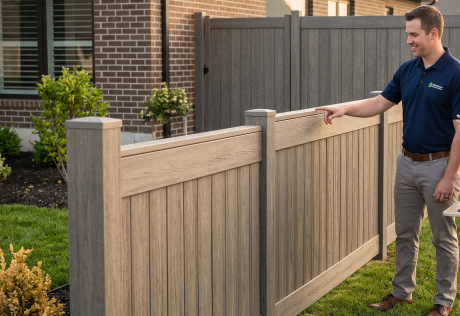
For new distributors entering the building materials market, selecting the right product line is the most critical decision you will make. Choose a product that is too niche, and your capital gets tied up in slow-moving inventory. Choose a product that is too common, and you are trapped in a brutal price war with established giants. To build a profitable, sustainable distribution business, you need a product that balances high market demand with strong profit margins and low after-sales friction. Right now, Wood Plastic Composite (WPC) fencing is proving to be exactly that product. Here is a straightforward look at why WPC fencing is the smartest, lowest-risk entry point for new building material distributors today. 1. Surging Consumer Demand Driven by "Maintenance Fatigue" Homeowners and commercial property managers are exhausted by the relentless upkeep required by traditional wood fencing. Wood needs to be treated, stained, and painted regularly, and it still eventually succumbs to rot, termites, or weather damage. WPC fencing solves this universal pain point immediately. It offers the natural, premium look of wood but requires zero painting, staining, or sealing. It is waterproof, rot-proof, and insect-resistant. When you pitch WPC fencing, you are not just selling a physical barrier; you are selling long-term savings and peace of mind. Products that solve obvious, painful problems are always the easiest to sell. 2. High Ticket Value with Fast Inventory Turnover Unlike small hardware items that require massive volume to generate meaningful revenue, fencing is a high-ticket purchase. A single residential or commercial fencing project represents a substantial invoice. Furthermore, WPC fencing systems are highly standardized. Unlike custom architectural elements, fencing relies on modular panels, posts, and standard accessories. This standardization makes inventory forecasting highly predictable. You can stock core colors and standard dimensions, ensuring fast turnover and preventing your cash flow from getting locked in dead stock. 3. Virtually Zero After-Sales Headaches The hidden profit-killer in the distribution business is the cost of after-sales service. Dealing with product returns, structural failures, or customer complaints eats into your margins and damages your local reputation. WPC is engineered for extreme durability. Because it does not warp, crack, or splinter under harsh weather conditions, warranty claims and customer complaints are incredibly rare. Once a WPC fence is installed, your job is done. You get to keep your profit without worrying about expensive callbacks. 4. The Perfect "Gateway" Product for Cross-Selling WPC fencing is rarely a standalone purchase in the long term. Once a contractor or a homeowner experiences the quality and low maintenance of WPC in their fencing, they are heavily primed to use the exact same material for their next projects. By establishing a relationship through fencing, you perfectly position your business to cross-sell other highly profitable WPC product lines, such as outdoor decking, wall cladding, and pergolas. Fencing gets your foot in the door; the performance of the material secures the lifetime value of the customer. The Bottom Line for Distributors Success in distribution comes down to minimizing risk while maximizing market potential. WPC fencing offers a rare combination: a product that practically sells itself due to clear consumer benefits, modular inventory that is easy to manage, and a durability profile that protects your bottom line from after-sales costs. For entrepreneurs and businesses looking to capture a share of the booming modern construction and landscaping market, WPC fencing isn't just a product—it is a launchpad for long-term B2B growth.
More

 English
 Español
 بالعربية